






How Olympus Went from One Slot to Fourteen Games
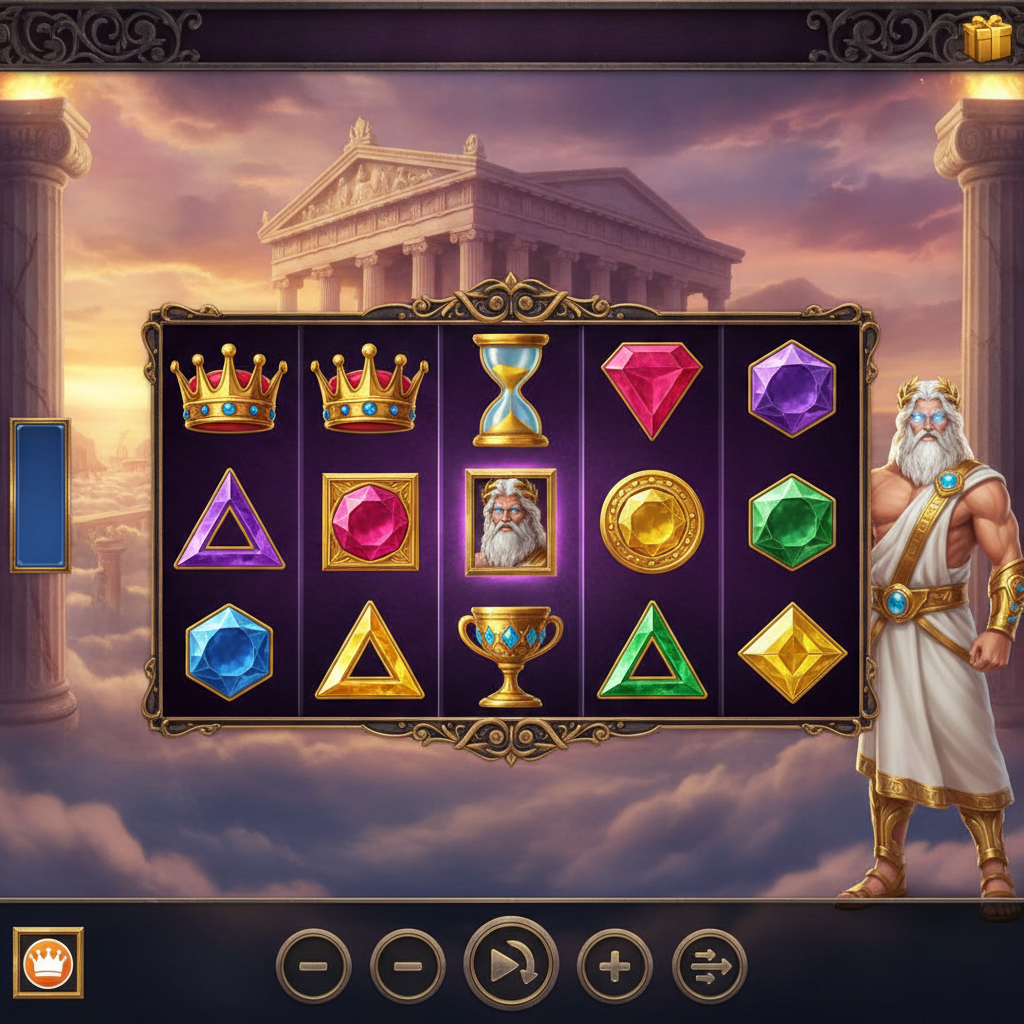
Gates of Olympus didn't arrive with a roadmap pinned to it. It landed as a single scatter-pay slot from Pragmatic Play — no paylines, tumbling reels, random multipliers that stuck to symbols mid-cascade. That was the pitch. It caught on because the mechanic felt different from the payline-and-wild formula that dominated at the time. Canadian players, in particular, latched onto it fast. The bonus-buy option meant you didn't have to grind base game for an hour waiting for free spins to trigger naturally, and that direct path to the action resonated with a player base that tends to value transparency and control over their sessions.
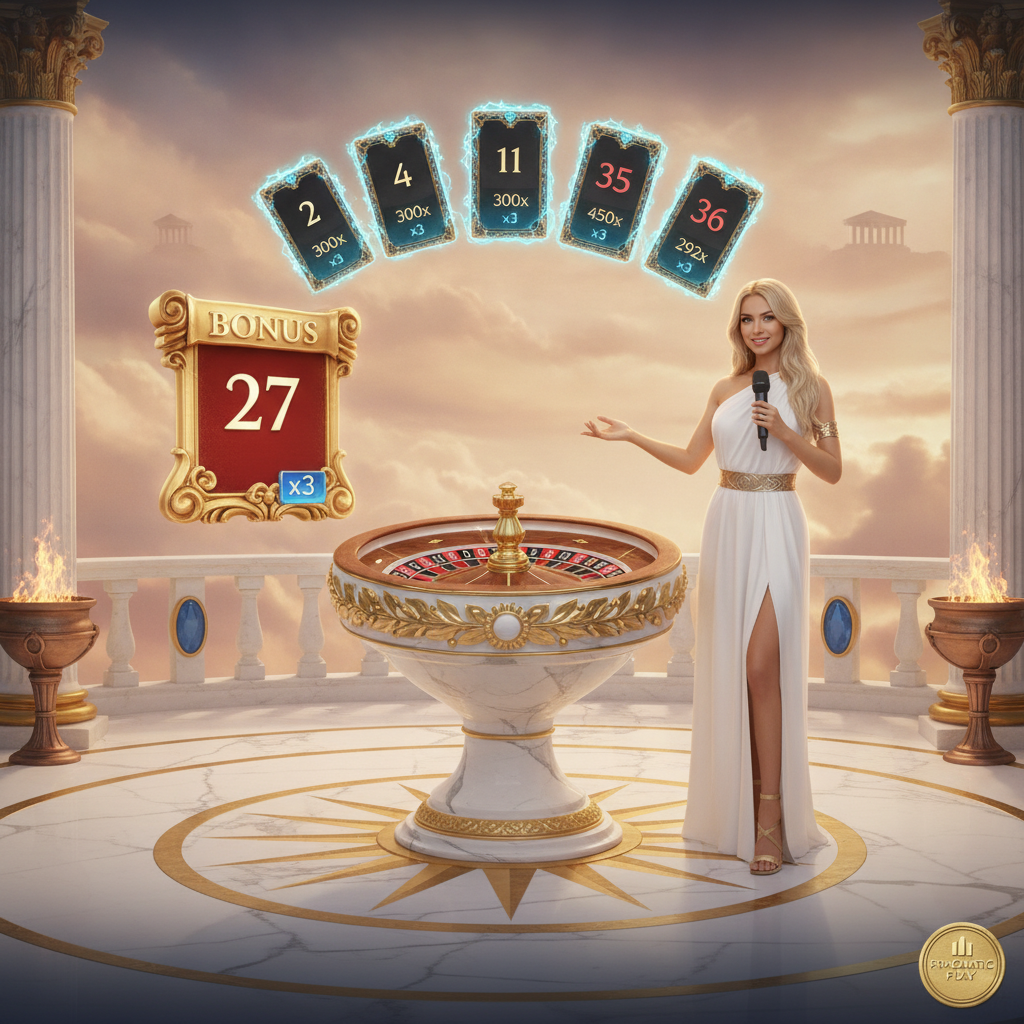
From there, the series grew in waves. Gates of Olympus 1000 pushed the multiplier ceiling higher. Dice variants followed, stripping the visuals back while keeping the maths engine. Then came the real branching: Pachi introduced a pachinko ball-drop mechanic, Roulette grafted the theme onto a table-game format, and titles like Forge of Olympus and Games in Olympus started building genuinely different experiences on the same mythological foundation. Today the lineup sits at 14 titles. Not all of them reinvent the wheel — some are reskins, and we'll be honest about that — but the trajectory is clear: Olympus went from a slot to a platform.
What Actually Makes This Series Different
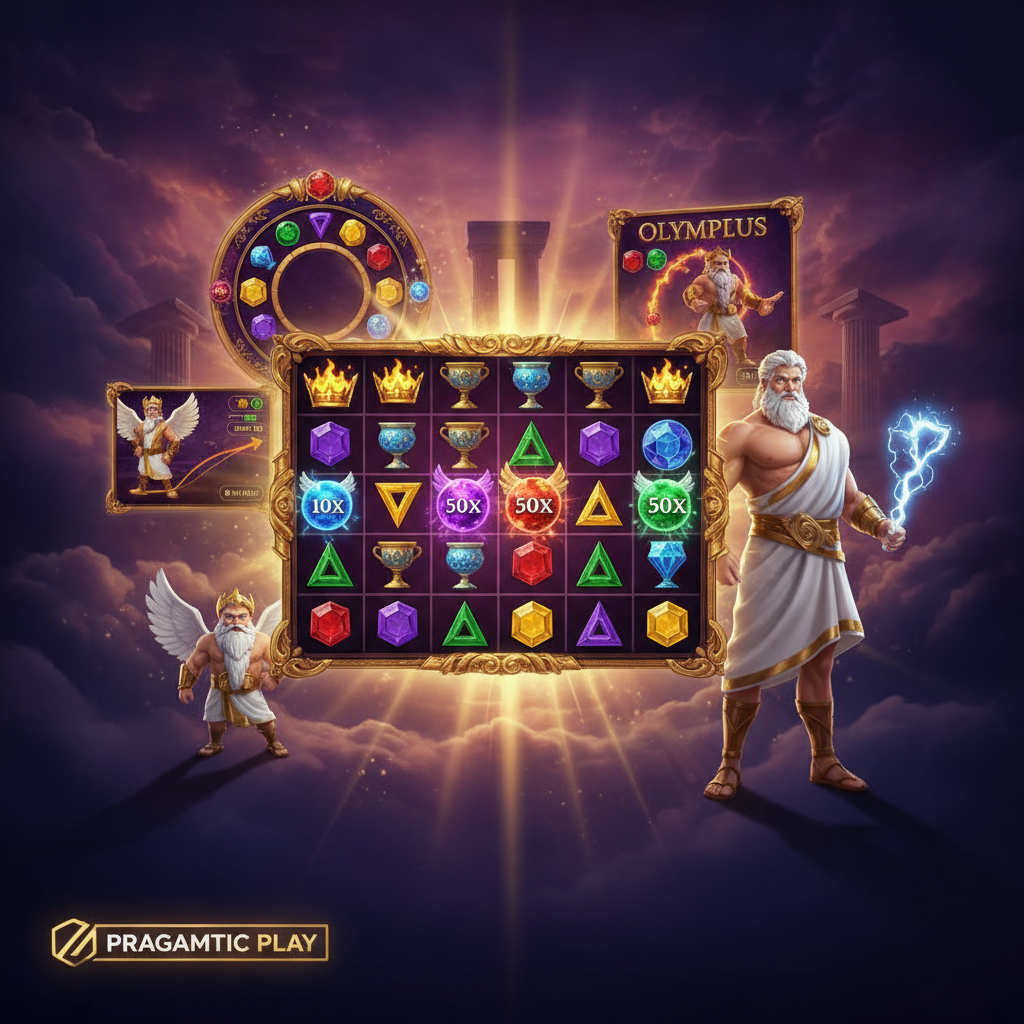
The scatter-pay system is the backbone. No fixed paylines. Symbols pay based on count anywhere on the grid, and every win triggers a tumble that clears winning symbols and drops new ones in. That cascade loop, combined with multipliers that accumulate during a tumble sequence, creates a rhythm that feels meaningfully different from traditional line-based slots. You're not watching left-to-right; you're watching the whole grid, and a quiet-looking drop can snowball into something serious three or four cascades deep.
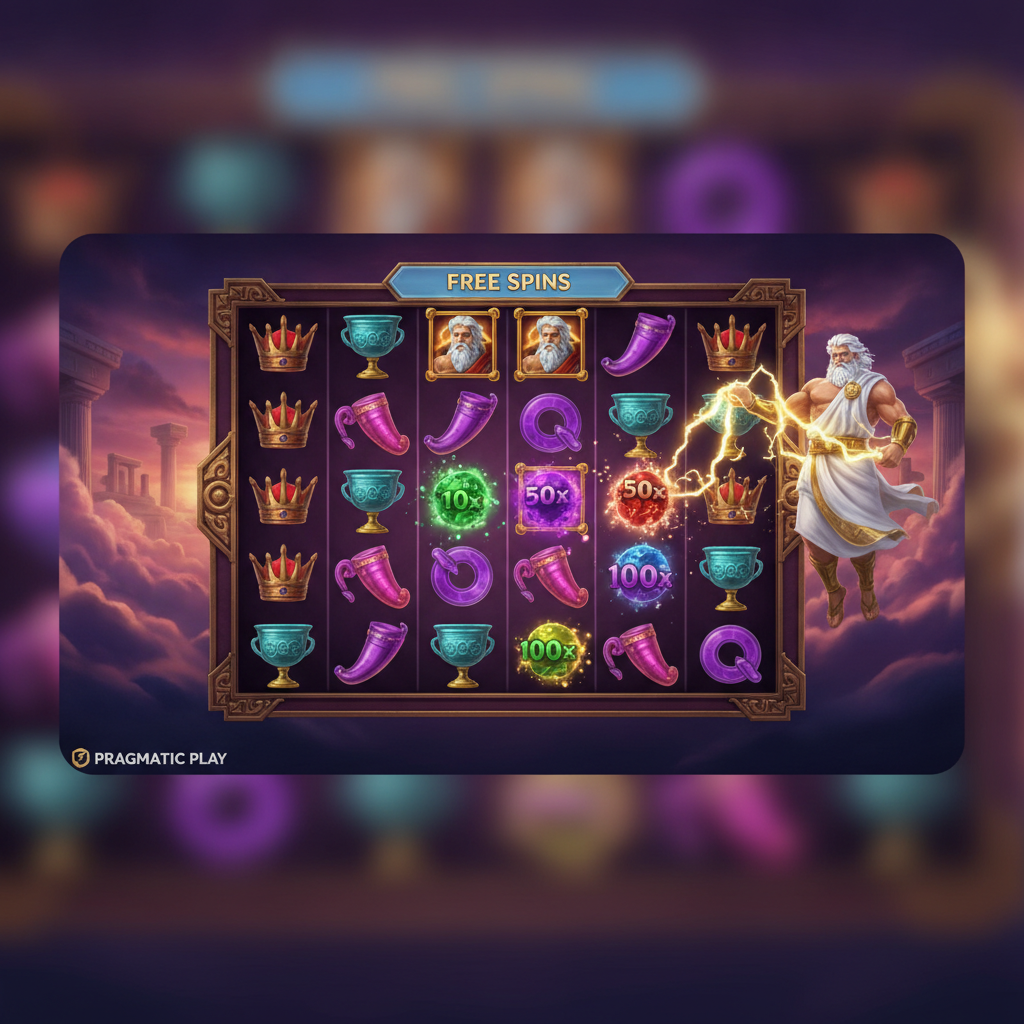
Then there's the multiplier philosophy. In the original Gates of Olympus, random multiplier orbs appear and add up across a tumble chain. Gates of Olympus 1000 took the same idea and expanded the range. The Super Scatter variants reworked how scatters interact with the bonus trigger. Forge of Olympus shifted the visual and thematic identity while keeping the tumble-and-multiply core. The point is: each title tweaks a specific variable rather than rebuilding from scratch. If you understand one Olympus game, you can sit down at any of the 14 and feel oriented within a few spins.
The bonus-buy mechanic deserves its own mention. Most titles in the series let you skip straight to the free-spins round for a set cost, usually a multiple of your base bet. For players who know what they're after and don't want to wait, that's a significant quality-of-life feature. It also means you can make very deliberate bankroll decisions — you know exactly what it costs to enter the bonus, and you can plan sessions around that.
Why Canadian Players Keep Coming Back
There's a practical reason and a cultural one. The practical reason: most Canadians access online slots through mobile browsers — no app install, no download, just open the casino site and tap. Every Olympus title runs in-browser on both iOS and Android without friction. Load times are short, the interfaces scale well on phone screens, and nothing about the cascade mechanic is lost on a smaller display. For a country where a lot of play happens on the GO train, during a lunch break, or from the couch after the Leafs game, that instant-access factor matters.
The cultural angle is quieter, but it's there. Judging by how this series performs in Canada, local players lean toward medium-to-high volatility slots where the risk and reward feel fairly matched. They want a shot at a big win, but they also want to grasp the mechanics well enough to bet with confidence. The Olympus series checks both boxes: volatility runs high, yet the scatter-pay and tumble system is clear enough that you always know where you stand. Nothing is buried beneath the surface. You see the multipliers drop, you watch them stack up, and you either land the win or you don't. That straightforward approach resonates with an audience that's naturally wary of anything designed to muddy the waters.
Bonus buys are another factor. Canadian players are among the most active bonus-buy users in regulated markets. The option to jump directly to the free-spins round at a known cost fits a play style that's less about marathon sessions and more about focused bursts of action. Whether you've got 15 minutes or two hours, you can structure your session around what you can afford to risk, with no ambiguity.
Devices, Access, and What You Actually Need
Every game in the Olympus series runs in HTML5. That means any modern browser — Chrome, Safari, Firefox, Edge — on any device with a reasonable screen. Desktop gives you the full visual experience: the Zeus animations, the lightning effects, the grid laid out with plenty of breathing room. Mobile gives you convenience and portability, and honestly, the games are designed mobile-first at this point. The grid format actually works better on a vertical screen than many traditional payline slots do.
No downloads. No dedicated apps. You play through whichever licensed online casino carries the titles. In Canada, these are widely available across major regulated and offshore platforms that serve the market. Just make sure you're playing at a site with a legitimate licence — that's the only real gatekeeping to worry about.
One practical note: if you're on mobile data rather than Wi-Fi, load times are still fast. These games aren't data-heavy compared to live dealer streams or 3D-rendered table games. A stable connection is all you need.
Breaking Down the Full Lineup — Honestly
Fourteen games is a lot of Olympus. Here's how to think about them without getting lost.
The Core Gates Titles
Gates of Olympus is the origin. Scatter pays, tumbling reels, multiplier orbs, free spins with accumulating multipliers, and a bonus-buy option. If you play one Olympus game, this is likely where you started. Gates of Olympus 1000 takes the same structure and raises the multiplier ceiling substantially — same feel, higher peaks, higher risk. These two are the foundation of the series.
The Dice Variants
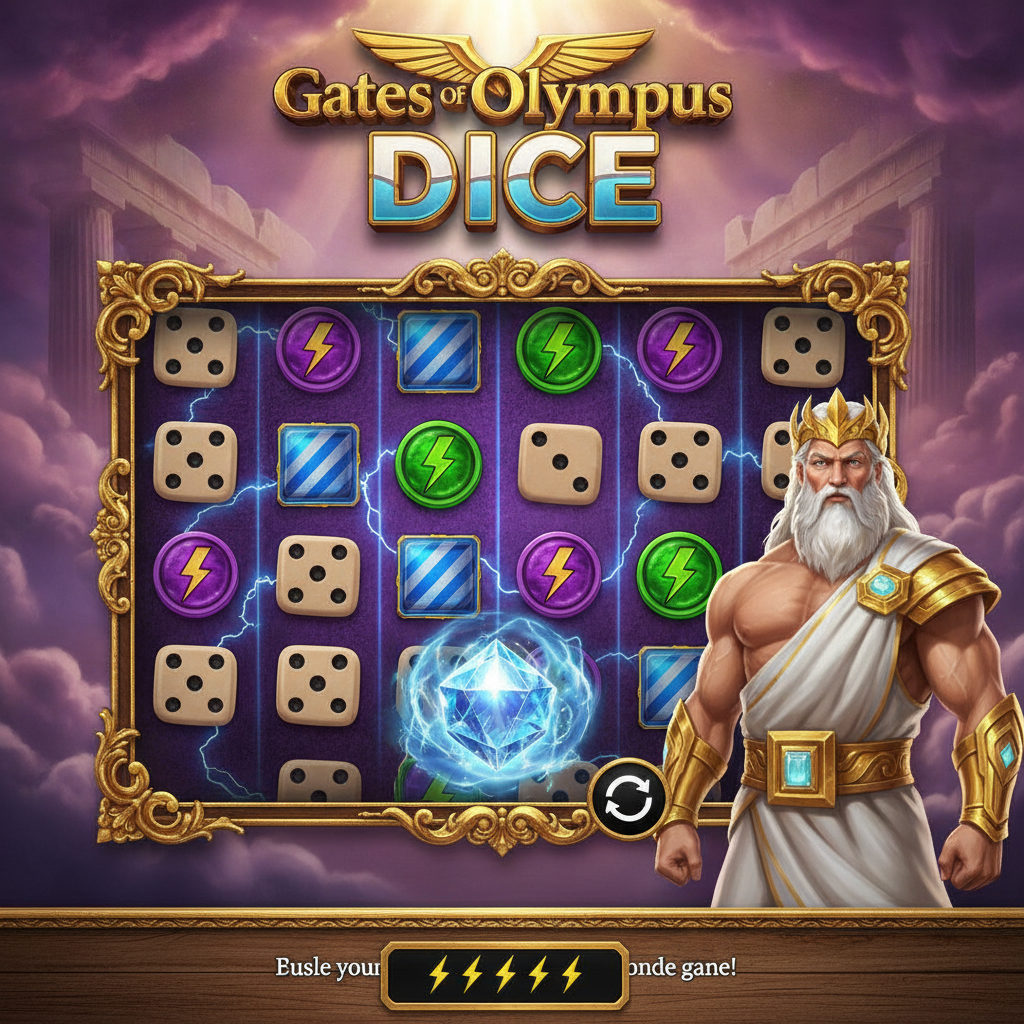
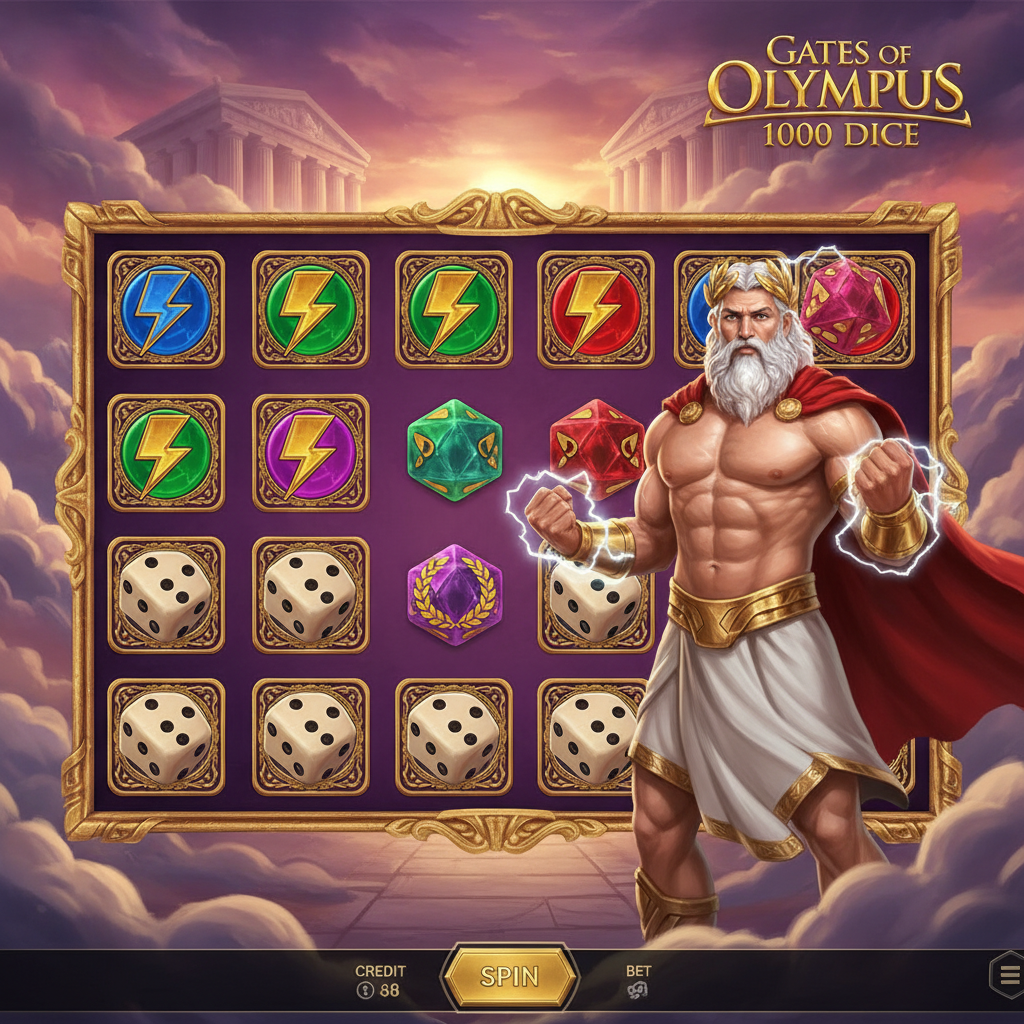
Gates of Olympus Dice and Gates of Olympus 1000 Dice are what the names suggest: the original and the 1000 version with dice-themed symbols replacing the gems. The maths engines are closely aligned with their parent titles. These exist for players who prefer a cleaner, less visually busy aesthetic, or who simply like the dice format that's popular across several Pragmatic Play series. They're not bad games — they're just not different games, mechanically speaking.
The Seasonal and Themed Reskins
Gates of Olympus Xmas 1000 wraps the 1000 engine in holiday theming. Snowflakes, festive colours, the works. It's a seasonal release, and whether that appeals to you depends entirely on how you feel about Christmas slots in March. The underlying game is solid because the 1000 engine is solid, but this is a cosmetic variant, not a mechanical one.
The Mechanical Evolutions
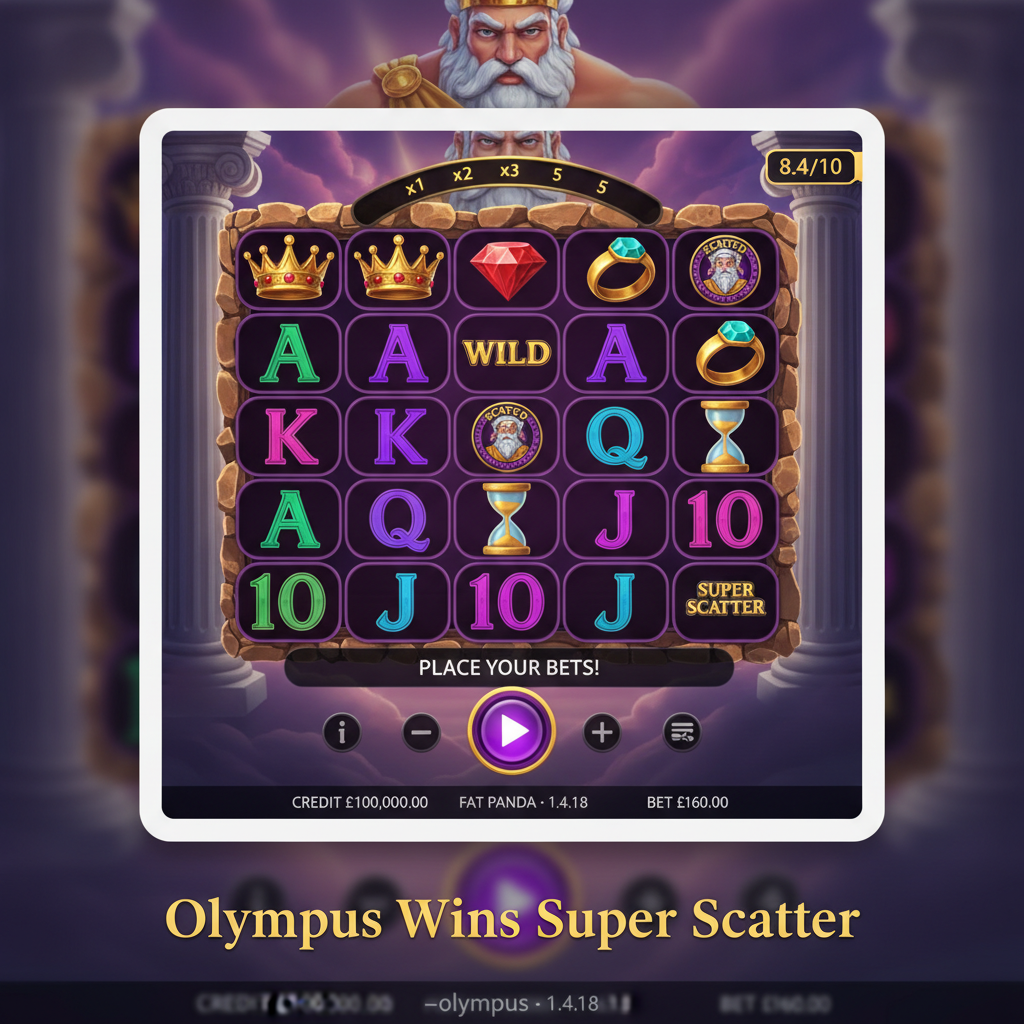
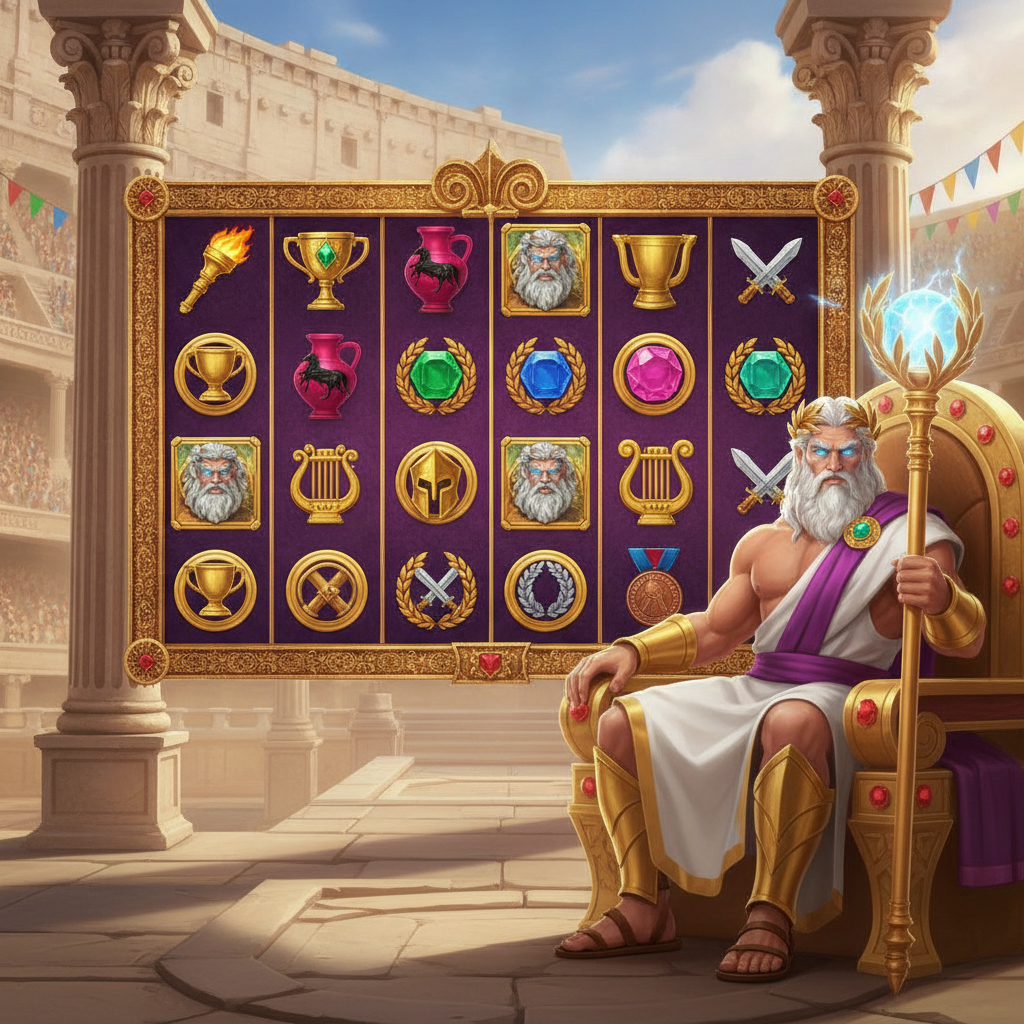
This is where the series gets genuinely interesting beyond the original formula. Gates of Olympus Super Scatter reworks the scatter system itself, changing how bonus rounds trigger and what they deliver. Olympus Wins Super Scatter takes a similar approach but under a distinct title, with its own rule set — it's a cousin, not a copy. Gates of Olympus Pachi introduces a pachinko-style ball-drop mechanic that changes the entire rhythm of the game. It's the most physically different experience in the series. Forge of Olympus shifts the theme away from Zeus toward the forge of Hephaestus, with different symbols and a heavier visual tone — it feels like a different game wearing the Olympus mythology. Games in Olympus and Games in Olympus 1000 bundle mini-game elements into the slot format, adding variety within individual sessions. The 1000 version, predictably, raises the ceiling.
The Outliers
Gates of Olympus Roulette is a table-game hybrid. It uses the Olympus brand and visual identity, but the gameplay is roulette-based. It's a novelty — if you love both roulette and the Olympus theme, it's there for you, but it's not where this series makes its name. Fortune of Olympus and 888 of Olympus are lighter entries that adjust volatility and theming for a more relaxed session. They're entry-level Olympus, good for players who want the flavour without the full voltage.
Where to Start — Whether You're New or Deep In
If you've never touched an Olympus game, start with Gates of Olympus. It's the most documented, the most widely discussed, and it teaches you the scatter-pay and tumble mechanic that everything else in the series is built on. Play it in demo mode first if that's available at your casino — get a feel for how multiplier orbs work and how cascades chain before you commit real money.
If you already know the original and want to feel something different, go to Gates of Olympus Pachi or Forge of Olympus. Pachi gives you a completely different physical mechanic. Forge gives you a different atmosphere and symbol set while keeping the tumble core. Both are genuine departures, not reskins.
If you're a high-volatility player who wants the biggest possible multiplier ceilings, the 1000 variants are your lane: Gates of Olympus 1000, Gates of Olympus 1000 Dice, Gates of Olympus Xmas 1000, or Games in Olympus 1000. These are the sharp end of the series.
And if you're the type who likes to try everything, all 14 titles are on this page. Scroll up, pick a card, and go. That's what this page is for.
The Olympus series isn't a single game stretched thin — it's a single idea explored from fourteen different angles. Some of those angles are sharper than others, but the core mechanic is one of the most satisfying in modern slots, and it's worth finding the version that fits your pace.